
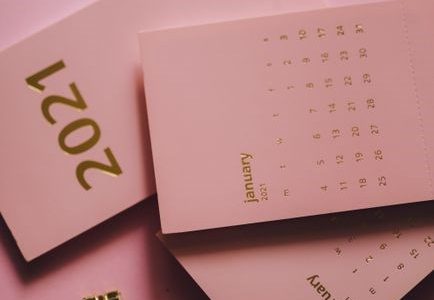
Overview of Tamil Panchangam 2024-2025 PDF
The 2024-2025 Tamil Panchangam PDF, released by Uttaradhi Math, offers a detailed calendar featuring Chithirai Vishu on April 14, 2024, and covers festivals, Rahu Kalam, and daily auspicious times. It blends ancient Vedic astronomy with modern formatting for easy access. It is freely downloadable from sites go
Definition and Significance
The Tamil Panchangam 2024-2025 PDF is a traditional Hindu almanac that synthesizes ancient Vedic astronomy with the Vakya method, a time-honored Tamil script technique for calculating celestial positions. It presents a year‑long record of lunar and solar cycles, planetary movements, eclipse timings, and the corresponding auspicious and inauspicious periods known as Nalla Neram and Rahu Kalam. By translating complex astronomical data into user‑friendly daily schedules, the almanac serves as a spiritual and practical guide for the Tamil‑speaking community.
Its significance is multifaceted. First, it acts as a cultural touchstone, preserving centuries of indigenous knowledge and ensuring that traditional rituals remain aligned with cosmic rhythms. Second, it provides a framework for planning significant life events—marriages, house‑weddings, business openings—so that they occur during favorable times, thereby seeking divine blessings and minimizing potential misfortunes. Third, it supports the continuity of local customs by offering a standardized reference that priests, astrologers, and laypeople can consult for daily prayers, temple ceremonies, and community festivals.
Moreover, the PDF format democratizes access, allowing individuals to view the calendar on smartphones, tablets, or computers, or to print it for household use. This accessibility encourages widespread participation in time‑sensitive practices and reinforces a shared sense of identity across dispersed Tamil populations. The 2024‑2025 edition, released by Uttaradhi Math, exemplifies the careful balance between preserving ancient methodologies and embracing modern distribution channels, thereby sustaining a living heritage that adapts to contemporary needs while honoring its roots.
It records regional variations, ensuring local observances and temple timings are accurately reflected for Tamil communities!
Format and Structure

The PDF edition of the Tamil Panchangam 2024‑2025 is organized into a series of clearly delineated sections that mirror the traditional almanac layout while incorporating modern digital conveniences. At the beginning, a concise preface explains the underlying astronomical principles and the sources of the data, offering readers a brief context before they delve into the daily entries. Following the preface, the main body is divided into monthly blocks, each beginning with a header that lists the month’s name in Tamil, the corresponding Gregorian dates, and key celestial markers such as the new moon (Amavasya), full moon (Purnima), and major planetary conjunctions. Within each monthly block, every day is presented on a separate line, containing the Tamil date, the solar and lunar day, the calculated sunrise and sunset times, the Rahu Kalam window, and the Nalla Neram periods. The layout also features a side column that highlights important festivals, observances, and recommended auspicious activities for that day. At the end of the document, a comprehensive index lists all festivals, planetary transits, and eclipse events, allowing quick reference. The PDF’s design uses a clean, readable font, with bold headings and shaded tables to aid navigation. Hyperlinks are embedded in the index and monthly headers, enabling instant jumps to specific sections when viewed on a computer or tablet. This structure ensures that both seasoned practitioners and newcomers can easily locate the information they need for rituals, ceremonies, and daily planning.!
Sources and Access to the PDF
Official releases come from Uttaradhi Math, while community sites like TamilBrahmins and HinduPad host free PDFs. Users can download the 2024‑2025 edition in PDF format via direct links, ensuring easy access for rituals and daily planning. Download links on sites today!
Official Publishers and Institutions
The 2024‑2025 Tamil Panchangam PDF is primarily produced and distributed by Uttaradhi Math, a respected Vedic institution renowned for its precise astronomical calculations. Uttaradhi Math’s annual almanac, known as the Krodhi Varuda Panchangam, is meticulously compiled by seasoned scholars who cross‑verify planetary positions, lunar phases, and eclipse data with ancient Tamil scripts and Vedic texts. The publication is released each year in the months preceding the new year, ensuring that devotees have access to the most accurate dates for festivals, auspicious timings, and ritual guidelines. In addition to the official print edition, Uttaradhi Math provides a digital PDF version that is freely downloadable from its official website, offering the same level of detail in a convenient electronic format. The institution’s long‑standing reputation for scholarly rigor and its commitment to preserving traditional calendrical science make it the authoritative source for Tamil Panchangam enthusiasts and practitioners alike. For those seeking a deeper understanding of the underlying calculations, Uttaradhi Math occasionally publishes supplementary explanatory notes and commentaries that elucidate the complex celestial mechanics involved. These resources are invaluable for students of Vedic astronomy, temple priests, and anyone interested in the cultural significance of the Tamil calendar. The almanac’s distribution network extends beyond the immediate Tamil community, reaching diaspora populations through international branches and partner organizations that collaborate with Uttaradhi Math to disseminate the PDF in multiple languages. By maintaining a consistent publication schedule and upholding rigorous academic standards, Uttaradhi Math ensures that each edition remains a trusted reference for both everyday use and scholarly research. Its legacy continues worldwide
Online Platforms and Libraries
The 2024‑2025 Tamil Panchangam PDF is widely accessible through several reputable online platforms and digital libraries. The official Uttaradhi Math website hosts a free download link that delivers the full almanac in PDF format, ensuring that users receive the most accurate and up‑to‑date information directly from the source. For those who prefer a more interactive experience, the TamilPanchangam.com portal offers a searchable database that allows users to look up specific dates, festivals, and auspicious times without downloading the entire file. Additionally, the HinduPad website provides a dedicated section for the 2024‑2025 edition, where the PDF can be downloaded in both PDF and Word formats, catering to users who wish to edit or annotate the document. The Tamil Brahmins Community’s online repository also hosts the almanac, offering a straightforward download link that is accessible to members of the diaspora. Academic institutions such as the Rice University Campus Wiki have archived the almanac in their digital library, providing a reliable source for researchers and students. Users can also access the PDF via the official TamilPanchangam.org library, which provides a monthly update feed. The PDF is available in high‑resolution format, suitable for printing or digital reading. For mobile users, the Panchangam app on Android and iOS offers offline access to the PDF, with push notifications for important dates. The open‑source community has mirrored the file on GitHub, ensuring redundancy and easy version control. Finally, the National Library of India’s digital collection includes the 2024‑2025 edition, providing a scholarly repository for future reference. These platforms ensure the Tamil Panchangam remains accessible worldwide, supporting practices and digital use daily!
Download Process and File Formats
To obtain the 2024‑2025 Tamil Panchangam, visit the official Uttaradhi Math portal and click the “Download PDF” button. The site hosts a single 4‑page PDF that contains the full almanac, including Chithirai Vishu, Rahu Kalam, and daily auspicious times. After the click, the browser prompts for a save location; choose “Save” to store the file locally. For users who wish to edit the content, the HinduPad website offers a parallel Word document (DOCX) that mirrors the PDF layout. The download link there is labeled “Download Word Version;” Both files are compressed to less than 2 MB, ensuring quick transfer even on mobile networks. If you prefer a cloud‑based approach, the Tamil Brahmins Community repository hosts the PDF on a public GitHub release; clone the repository or click “Download ZIP” to get the file. The PDF is in standard Adobe Reader format, while the DOCX is compatible with Microsoft Office and LibreOffice. For mobile readers, the Panchangam app (Android/iOS) provides an in‑app download that stores the PDF in the device’s internal storage, allowing offline reading. Once downloaded, open the PDF with any reader, zoom to the “Daily Auspicious Times” section, and print for household use. The Word file can be opened in any word processor, enabling you to add personal notes or highlight important dates. All links are HTTPS, ensuring a secure transfer, and the files are signed by the publisher to verify authenticity. The download process is straightforward: after clicking the link, a pop‑up window appears asking whether to open or save the file; selecting “Save” will download the PDF to your chosen folder, while “Open” will launch it directly in your default PDF viewer. If you encounter any issues, clear your browser cache or try a different browser such as Chrome or Firefox. The download is typically completed within seconds, even on slower connections, due to the file’s small size. For users on iOS, tapping the link will prompt the Files app to save the PDF; for Android, the default Downloads folder will contain the file. Once saved, you can share the PDF via email or cloud services like Google Drive or Dropbox for easy access across devices. The Word version follows the same procedure, with an additional option to open in Microsoft Word or Google Docs for editing. The PDF is compatible with all major operating systems, including Windows, macOS, Linux, Android, and iOS, ensuring universal accessibility.
Key Content and Features in the Panchangam
The 2024‑2025 Tamil Panchangam PDF lists major festivals, Chithirai Vishu, Rahu Kalam, daily auspicious times, and astronomical data. It includes a calendar grid, lunar phases, and a guide for rituals, making it a comprehensive resource for devotees.
Major Festivals and Dates Covered
The PDF arranges each festival with its corresponding tithi, nakshatra, and planetary positions, allowing devotees to observe the most auspicious moments for rituals. It also provides the exact sunrise and sunset times for each day, enabling precise planning of puja schedules. By integrating traditional Vedic calculations with the Tamil calendar, the 2024‑2025 edition serves as an essential guide for families and temple authorities alike. It also lists the impact of each planetary position, aiding devotees in planning auspicious ceremonies every!
- Chithirai Vishu – 14 April 2024 (Vishuva Sankranti)
- Vaikasi Visakam – 27 May 2024 (Vishnu’s birth)
- Adi Thirumanjanam – 7 July 2024 (Lord Murugan’s coronation)
- Thiruvathirai – 12 August 2024 (Sivaratri in Tamil form)
- Navaratri – 20 September 2024 to 29 September 2024 (nine nights of devotion)
- Diwali – 4 November 2024 (Deepavali)
- Thai Pongal – 14 January 2025 (Harvest festival)
- Thiruvathirai – 19 February 2025 (Sivaratri)
- Vaikasi Visakam – 28 May 2025 (Vishnu’s birth)
- Adi Thirumanjanam – 8 July 2025 (Murugan’s coronation)
- Thiruvathirai – 13 August 2025 (Sivaratri)
- Navaratri – 18 September 2025 to 27 September 2025 (nine nights)
- Diwali – 23 October 2025 (Deepavali)
Astronomical Calculations and Timings
The 2024‑2025 Tamil Panchangam PDF is based on Vedic texts and modern ephemerides, listing the Sun and Moon’s zodiac positions, lunar day (tithi), star (nakshatra), and ruling planet each day. Sunrise and sunset times for major Tamil Nadu cities such as Chennai, Coimbatore, and Madurai are provided, enabling devotees to plan puja at the most auspicious moments. Daily Rahu Kalam and Nalla Neram windows are highlighted, with explanations of their significance. The calculations use the traditional “Vakya” method, ensuring alignment with celestial mechanics and cultural practices. The PDF presents data in a clear tabular format, allowing priests, families, and temple authorities to schedule festivals, weddings, and other ceremonies confidently. Accuracy is verified against contemporary astronomical software, keeping the panchangam reliable for 2024 and 2025. It also lists solar and lunar eclipse dates, offering guidance on mitigating their influence. Sunrise (uriyal) and sunset (kaviyal) times, new moon (amavasya) and full moon (pournami) moments are included, along with daily “Kaalam” divisions—Bhratri, Prabhati, and Shukla—to identify optimal ritual windows. The methodology follows the “Siddhanta” approach, ensuring consistency with ancient Vedic calculations while remaining accessible. A summary of planetary transits highlights favorable periods for Mars (Mangal) or Mercury (Budha) related activities. The Rahu Kalam’s daily variation is explained, advising against starting new ventures during this period. A quick reference chart for Nalla Neram is also provided, making the panchangam a practical tool for everyday use. It also includes a concise guide to auspicious wedding dates.
Daily Auspicious Times and Rahu Kalam
The 2024‑2025 Tamil Panchangam PDF offers a detailed daily timetable of auspicious periods, collectively known as “Nalla Neram.” Derived from the Sun’s transit across the sky, each day is segmented into six “Kaalam” intervals—Bhratri, Prabhati, Shukla, Mangal, Budha, and Rahu—based on the Sun’s position relative to the Moon and the ruling planet. The PDF lists the precise start and end times for each Kaalam, enabling devotees to pinpoint the most favorable windows for rituals, prayers, and new ventures. The Rahu Kalam, a 1 ½‑hour window that shifts daily, is highlighted in bold and accompanied by a brief note on its inauspicious nature; it is advised to avoid initiating significant activities during this period.
Conversely, the Nalla Neram is marked in green, indicating optimal times for worship, study, and business. The schedule also provides sunrise (uriyal) and sunset (kaviyal) times for major Tamil Nadu cities, ensuring local relevance. For each day, the panchangam lists the tithi, nakshatra, and ruling planet, which further refine the selection of auspicious moments. The PDF’s design features a clear tabular layout, color‑coded for quick reference, and a printable format suitable for priests, families, and temple committees alike. By following these daily timings, devotees can align their activities with the cosmic rhythm, thereby maximizing spiritual efficacy and harmony.
The PDF also contains a Rahu Kalam table with exact start and end times for each day, helping users avoid this inauspicious period. A Nalla Neram chart highlights the best times for puja, bathing, or starting a new venture. Both standard PDF and printable versions are available for easy use. Download now for details today. Enjoy!
Practical Usage and Applications
Use the PDF to plan daily rituals, align wedding dates, schedule temple visits, and choose auspicious times for business deals. The guide provides clear tables, color codes, and concise notes, making it a practical tool for families, priests, and planners. Use charts to avoid inauspicious periods consult Rahu Kalam!!
Guidelines for Rituals and Ceremonies
According to the 2024‑2025 Tamil Panchangam PDF, the best times for puja, naming ceremonies, and marriages are marked by the daily Nalla Neram and Rahu Kalam tables. The almanac lists the Grahapanchami and Chaturthi days for each month, which are considered highly auspicious for initiating new ventures or performing rites. Priests should consult the Shubh Muhurat columns to select a favorable window, avoiding the Rahu Kalam period that falls between 1:00‑4:30 PM on most days. For temple rituals, the PDF specifies the exact Ghatika timings for sunrise and sunset, ensuring that offerings are made at the correct moment. Wedding ceremonies are recommended to begin after the Chandra Pournami of the month, as the lunar phase is believed to bring harmony. The document also provides a concise list of Vastu Shanti days, which are ideal for house‑warming and construction inaugurations. By following these guidelines, devotees can align their rituals with celestial rhythms, thereby maximizing spiritual efficacy and harmony with the cosmic order.
For worship, the PDF highlights the Guna of each day, indicating the best moments for chanting mantras and performing Abhishekam. It also lists the Thiruvizha periods for temples, ensuring devotees attend during the most auspicious hours. The almanac’s tables help priests schedule rituals, reducing uncertainty and aligning with the planet energy flow. It aligns hearts OK